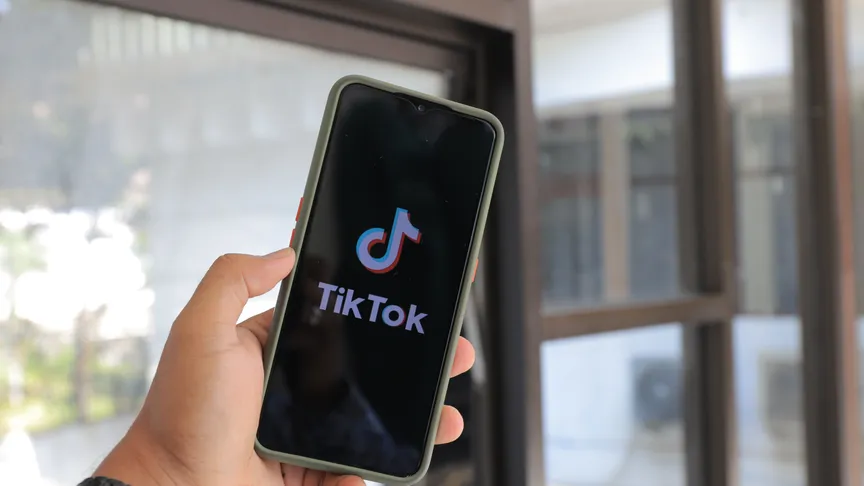
Shopping on TikTok can begin before someone decides to shop.
A conventional marketplace visit usually starts with intent. You open the app because you already want something, search for it, compare listings, then decide whether to buy. TikTok can reverse that order: someone can be watching a short video or LIVE, encounter a product, see it demonstrated or recommended, tap into the listing and move toward checkout without starting a separate shopping journey.
That change in where the journey begins helps explain how a video app became a serious marketplace.
TikTok Shop is already a real marketplace
Momentum Works estimated Philippine platform e-commerce GMV at US$21.1 billion in 2025, with Shopee at 49%, TikTok Shop at 29% and Lazada at 22%. That puts TikTok Shop at roughly US$6.1 billion in GMV under the firm’s methodology.
The figure is not TikTok revenue. Momentum Works counts paid orders that may later be cancelled, returned or refunded. Even with that caveat, the estimate is large enough to show that TikTok Shop is no longer a small commerce feature attached to the feed.
A separate Rakuten Insight survey, surfaced by Statista, found TikTok was the most popular social-media platform used for purchases among 7,630 surveyed Filipinos aged 16 and above who had already bought through social media. The survey does not represent all Filipinos, but it adds another signal that people are using TikTok as an actual place to buy.
The shift is also bigger than TikTok. Momentum Works estimated content commerce at US$49.7 billion across Southeast Asia in 2025, around 32% of platform e-commerce GMV under its definition, up from 20% in 2024. Google, Temasek and Bain separately estimated video commerce at roughly 25% of regional e-commerce GMV in 2025. The two reports use different definitions, so their percentages should not be compared directly, but both point to video and creator content becoming an important route into online shopping across Southeast Asia.
Creators became sales channels
TikTok did more than put product links under videos. It connected creators directly to transactions. According to TikTok Shop Philippines’ own documentation, creators can earn commissions from qualifying sales attributed through LIVE, short video, Showcase and Affiliate Links, while sellers can set commission rates for affiliates.
A product recommendation can therefore do two jobs at once. A creator may be showing how something works or explaining why they like it, while an attributable sale can also pay them. Creator content can function as performance marketing inside the same feed where people are already watching entertainment, giving sellers more distribution, creators a reason to make commerce content, and viewers a direct path from seeing a product to opening its listing.
The available data do not show how much of TikTok Shop’s Philippine GMV comes from affiliates, LIVE, short video, Shop Tab search or repeat purchases. What is clear is that those routes now sit inside one commerce system rather than requiring a separate shopping journey.
Content is only half the system
TikTok Shop Philippines also supports shipping-fee programs, discount vouchers, cashback and flash-sale subsidies, alongside platform-funded promotions and co-funded discount programs. Those incentives can reduce another kind of friction: price and delivery cost. A product can appear in the feed, lead directly to a listing, then arrive with a voucher or shipping benefit attached.
Current promotion terms do not tell us how much subsidies caused TikTok Shop’s earlier growth, but they show that today’s shopping experience is built from more than content and creator recommendations.
Trust remains a constraint. In Rakuten Insight’s Philippine social-commerce research, convenience was the leading stated reason for buying through social media among surveyed buyers. Among people who had not bought through social media, lack of trust in the buying process and a preference for official websites or physical stores were common reasons not to buy. The Department of Trade and Industry’s 2025 E-Commerce Philippine Trustmark was designed to strengthen safety, reliability and consumer confidence in online transactions.
So the answer is not simply that Filipinos started trusting TikTok creators or that shopping became entertaining. TikTok changed where shopping can start. The feed can create the discovery, creators can turn that attention into attributable sales, the product page and checkout are close by, and promotions can make the purchase easier to complete. Together, those changes help explain why TikTok is increasingly becoming somewhere Filipinos buy things, not just somewhere they watch videos.